
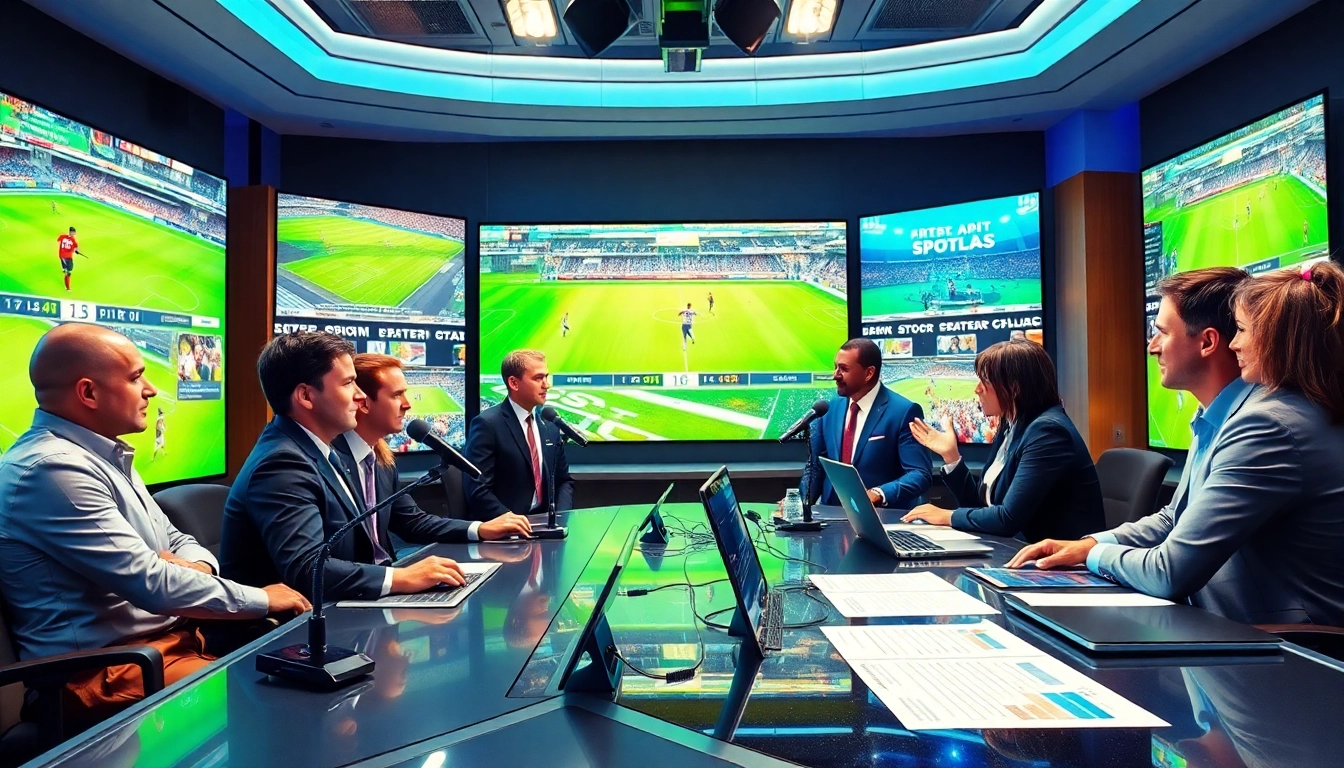
Understanding Sports Broadcasting
What is Sports Broadcasting?
Sports broadcasting is the dissemination of sports-related content via various media channels, including television, radio, and the internet. This activity encompasses live event coverage, highlights, debates, and analyses, bringing sports closer to fans regardless of geographical barriers. With a focus on providing entertainment and fostering community, Sports Broadcasting plays a crucial role in the sports industry by enhancing audience engagement and providing revenue streams for sports organizations.
The Evolution of Sports Broadcasting
Since its inception in the early 20th century, sports broadcasting has undergone significant transformations. Initially, radio broadcasts dominated, allowing fans to follow games through live commentary from various locations. The introduction of television brought unprecedented visuals to viewers, creating a more immersive experience. Over time, advances in digital technologies have further revolutionized the landscape, enabling 24/7 coverage via streaming platforms, social media, and mobile applications. Today, sports broadcasting is not just about showing the game; it also includes in-depth analyses, real-time statistics, and interactive viewer engagement.
Key Players in Sports Broadcasting
In the world of sports broadcasting, several key players contribute to its dynamic ecosystem. Major broadcasters, such as national networks and cable channels, hold the licenses to show live events. Together with digital platforms like streaming services and social media, these entities shape how audiences access content. In addition to broadcasters, sports leagues and teams also play critical roles, managing their rights and distribution channels. Furthermore, advertisers and sponsors are integral, as they provide the financial backing necessary to sustain sports broadcasting endeavors.
Trends Shaping Sports Broadcasting
Technological Advancements in Sports Broadcasting
The landscape of sports broadcasting is continuously evolving, driven by advancements in technology. Innovations such as 4K and 8K resolution, augmented reality (AR), and virtual reality (VR) have enhanced viewer experiences, making broadcasts more engaging than ever. These technologies allow fans to enjoy live events from multiple angles, select their preferred camera feeds, and even experience games from the athlete's perspective. Furthermore, Artificial Intelligence (AI) is revolutionizing content curation, enabling personalized viewer recommendations, and real-time analysis of player performances.
Impact of Streaming Services on Sports Broadcasting
Streaming services have fundamentally altered how audiences consume sports content. Traditional cable subscriptions are declining, as audiences opt for the flexibility that streaming offers. Platforms like Netflix and Prime Video have started venturing into sports, while dedicated sports streaming services cater specifically to niche markets. This shift not only helps cut costs for viewers but also promotes accessibility, allowing fans to watch their favorite sports and teams worldwide. Additionally, on-demand content has changed how audiences engage with sports, shifting from passive viewing to active participation.
Viewer Engagement Strategies in Sports Broadcasting
Engagement strategies play a vital role in enhancing the viewing experience and retaining audience interest. Broadcasters are employing various interactive elements, such as live polls, chats, and social media integrations, to keep viewers engaged. Gamification techniques, including fantasy leagues and predictive analytics, also attract sports enthusiasts’ attention, encouraging them to be more involved with the content. Offering behind-the-scenes views, athlete interviews, and exclusive digital features further amplifies the interactive aspects of sports broadcasting.
Challenges in Sports Broadcasting
Legal and Ethical Issues in Sports Broadcasting
Sports broadcasting is fraught with legal and ethical challenges, including copyright issues, licensing agreements, and broadcasting rights disputes. Navigating these complexities requires broadcasters to stay informed about current regulations, ensuring compliance while safeguarding the interests of both sports organizations and viewers. Ethical considerations also come into play, particularly concerning fair representation, promoting inclusivity, and adhering to broadcasting standards. Transparency in advertising partnerships and sponsorships is also crucial to maintain viewer trust.
Adapting to Changing Viewer Preferences
As viewer preferences rapidly change, broadcasters must adapt their strategies to maintain relevance. The rise of millennials and Gen Z has prompted sports broadcasters to shift focus toward digital engagement, catering to audiences that prefer bite-sized, interactive content over traditional long-form programming. Broadcasters are incorporating on-demand services and multi-platform access, allowing viewers to choose how and when they engage with sports content. Understanding demographic shifts and preferences is essential to create compelling programming that meets evolving expectations.
Competition and Market Saturation in Sports Broadcasting
With the influx of new entrants into the sports broadcasting arena, competition has intensified significantly. As more platforms emerge, market saturation poses a challenge for existing broadcasters, pushing them to differentiate their offerings. To stand out, broadcasters need to offer unique content, enhance viewer experiences through personalized recommendations, and leverage data analytics for targeted marketing. Establishing strong partnerships with leagues and teams also allows broadcasters to secure exclusive content, helping them maintain a competitive edge in the crowded market.
Best Practices for Effective Sports Broadcasting
Quality Content Creation Strategies
Producing quality content is paramount in sports broadcasting, as it engages viewers and builds brand loyalty. Broadcasters should emphasize authenticity, storytelling, and behind-the-scenes perspectives to create impactful programming. Engaging narratives can draw in new fans, while expert analysis cultivates a knowledgeable audience. Collaborating with skilled commentators and leveraging user-generated content can add multiple dimensions to broadcasts, creating a dynamic viewing experience that resonates with diverse audiences.
Building Brand Loyalty in Sports Broadcasting
Brand loyalty is essential for retaining viewers and creating a sustainable viewership model. Broadcasters can foster brand loyalty through consistent and engaging content, as well as by actively participating in community-building efforts. Offering value-added services, such as exclusive access to events, special editions, or interactive experiences can further enhance audience connection. Additionally, by prioritizing viewer feedback and using it to shape future content, broadcasters demonstrate their commitment to audience satisfaction, reinforcing brand loyalty.
Interactive Elements in Sports Broadcasting
Interactive elements are pivotal for keeping viewers engaged and invested in broadcasts. Real-time statistics, interactive graphics, and viewer polls not only contribute to a more immersive experience but also encourage participation and discussion among fans. Integrating social media feedback during live broadcasts can create a sense of community while enhancing viewer investment in the content. Such interactive elements help bridge the gap between passive viewing and active participation, fostering a more profound connection with the audience.
Measuring Success in Sports Broadcasting
Key Performance Indicators for Sports Broadcasting
To evaluate the success of sports broadcasting initiatives, broadcasters must track specific Key Performance Indicators (KPIs). Metrics such as viewer ratings, audience retention rates, and engagement levels are crucial for understanding viewer preferences and behaviors. Additionally, analyzing digital metrics like social media interactions, app downloads, and website traffic can provide insights into how content is consumed across different platforms. Regular assessment of these KPIs allows broadcasters to make informed decisions and adjust their strategies accordingly.
Analyzing Viewer Feedback and Ratings
Viewer feedback is a valuable source of information for sports broadcasters seeking to refine their content and improve audience satisfaction. Gathering feedback through surveys, social media interactions, and analyzing ratings provides broadcasters with real-time insights into what resonates with viewers. This data helps them identify strengths and weaknesses in their programming, enabling them to adapt their content to meet audience expectations. Leveraging viewer feedback fosters a more responsive broadcasting environment, enhancing viewer relationships.
Future Projections for Sports Broadcasting Performance
As the sports broadcasting landscape continues to evolve, future projections suggest an even greater integration of new technologies and audience feedback mechanisms. Customizable viewing experiences, increased interactivity, and enhanced personalization are likely to shape the next generation of sports broadcasting. Staying ahead of trends will require broadcasters to embrace innovation and continuously adapt their strategies. Investment in data analytics, viewer insights, and emerging technologies will be key factors driving growth and sustaining relevance in this increasingly competitive market.
FAQs about Sports Broadcasting
What is the primary role of sports broadcasting?
The primary role of sports broadcasting is to deliver sports-related content to audiences through various media, enhancing viewer engagement and community connection.
How has technology impacted sports broadcasting?
Technology has revolutionized sports broadcasting through high-definition visuals, streaming services, and interactive features, enhancing the overall viewer experience.
What challenges does sports broadcasting face today?
Challenges include legal issues, adapting to viewer preferences, and increased competition from new media platforms within a saturated market.
How can broadcasters improve viewer engagement?
Broadcasters can enhance engagement by employing interactive elements, utilizing social media, and creating quality content that resonates with viewers.
What metrics are crucial for measuring success in sports broadcasting?
Key metrics include viewer ratings, audience retention rates, engagement levels, and digital consumption metrics, helping assess the effectiveness of broadcasting strategies.